Wool Crafting for Beginners: Getting Started with Sustainable Wool Projects
In the quiet rituals of stitch and loop, wool becomes more than a fiber; it is a conversation with nature, a patient tutor, and a companion for beginners eager to translate tactile memory into tangible warmth. This guide journeys through the essentials of selecting wool, arming yourself with reliable tools, and launching beginner projects that celebrate sustainable, natural fibers. It is, in essence, an invitation to slow craft—a practice that honors craft, care, and the planet.
The domain Nature's Wool whispers of a world where materials are grown or raised with conscience, where warmth emerges from the long arc of a sheep’s life, and where modern makers rediscover patience as a form of design. As we learn to work with wool, we also learn to respect its origin: farmed with care, processed with minimal waste, and transformed with tools that don’t overpower the fiber’s natural resilience.
Why Wool? A Case for a Beginner’s Fiber
Wool is famously elastic, resilient, and responsive to temperature—qualities that make it an honest starter for new crafters. Its natural crimp traps air, creating insulation that feels comforting against skin. And unlike synthetic fibers, wool bears the quiet nobility of origin stories: sheep in pastures, wool processed, spun, and spun again into loops and stitches. For newcomers, wool offers a forgiving path: it grows with you, forgiving missteps and rewarding persistence with a texture that becomes personal over time.
In the broader philosophy of sustainable crafts, wool stands at the intersection of comfort and ethics. If approached with care—source responsibly, wash gently, and store properly—wool projects can last for years, becoming heirlooms or cherished gifts. The ongoing theme here is sustainability not as a lofty abstraction but as a practical discipline: buy less, make more, and cherish materials that nature can renew.
Seed Ideas: Getting Started with Simple, Satisfying Projects
Begin with small, achievable goals. The beauty of wool lies in its scalability: a scarf, a dishcloth, or a cozy mug sleeve can be your first notes in a longer symphony of projects. These starter pieces require minimal material and time, yet they teach you essential techniques—casting on, the knit stitch, garter and stockinette textures, and how to finish edges with neat bind-offs. The objective is to build confidence, not to conquer complexity in one leap.
- Scarf or Cozy Neck Warmer: A quintessential beginner project that teaches casting on, basic knit stitches, and simple shaping. Choose a medium-weight, sustainably sourced wool in a color you love for everyday wearability.
- Dishcloth or Washcloth: A compact, useful practice piece that reinforces consistent tension and even stitches. Cotton blends or wool blends can be excellent for practice since they show mistakes more clearly, guiding quick improvement.
- Beanie or Slouch Hat: A slightly more ambitious project that introduces ribbing, decreases, and crown shaping. This is where your skill begins to form structure and proportion.
- Crochet Mug Cozy: If you’re drawn to crochet, a mug cozy teaches you chain stitches, slip stitches, and seam work—an accessible doorway into crochet’s rhythm.
Essential Tools and Materials for Beginners
A well-curated starter kit makes all the difference. The right tools invite you to practice more deliberately, while sustainably sourced wool ensures your projects align with the broader ethos of Nature’s Wool. Here’s a practical starter list, with notes on sustainable sourcing:
- Needles or Hooks: A pair of smooth, medium-sized knitting needles or a hook in a comfortable length. If you’re crocheting, a set of ergonomic hooks can be gentler on the hands during longer sessions.
- Wool Fiber for Beginners: Choose a neutral, medium-weight wool from a sustainable producer. Natural fibers from regulated farms reduce the use of harsh chemicals and support animal welfare, while ensuring the fabric remains breathable and warm.
- Scissors, Tapestry Needle, and Stitch Markers: Small tools that make finishing and joining pieces tidy and precise. Metal or plastic stitch markers help you keep track of pattern repeats and increases/decreases.
- Measuring Tape and Row Counter: For beginners, accuracy matters. A reliable tape helps you maintain consistent gauge, a small but crucial contributor to project success.
- Wool Care Supplies: A gentle wool wash, a soft brush or comb for felting-free finishes, and a storage system that protects wool from moths and dust. A natural approach to care aligns with sustainability and longevity.
Care, Resilience, and Longevity: Caring for Wool Projects
Wool’s longevity is powered by a philosophy of gentle care. Unlike synthetics, wool can be resilient against wear when handled with proper washing and drying. The care routine is a ritual: wash only as needed, use a mild detergent, and lay flat to dry for most projects. For garments, shape while damp and block to the final dimensions to reveal crisp edges and even stitches.
Sustainability is not merely about the fiber; it’s about the full lifecycle of your project. From choosing ethically produced wool to washing with eco-friendly detergents and repairing rather than discarding, your wool journey becomes a practice of mindful consumption. In the spirit of Nature’s Wool, you’ll learn to see each project as a small act of environmental stewardship.
Key Figures in Wool’s Tapestry: Voices Across Time
The narrative of wool weaving spans centuries and cultures. Three individuals, from different eras, illuminate how wool has been interpreted, experimented with, and celebrated.
1) Elizabeth Zimmermann (1910–1999) — The Pioneer of Handcrafted Knitwear
Elizabeth Zimmermann remains a beacon for hand-knitters who seek to understand the logic behind fabric and pattern rather than rigid instructions. A gifted teacher and author, Zimmermann demystified the craft with her confident, playful style. She insisted that knitting patterns are guides, not commandments, and championed a philosophy of living with your knitting—altering patterns to suit your gauge, body, and life. For beginners, her work offers a liberating approach: trust your instincts, keep your measurements honest, and learn to read your fabric as you go.
2) Katharine Burnett (c. 1800s) — The Rural Weaver and Practical Ethic of Wool
In rural communities, knowledge of wool craft traveled through hands and hearths. Though not a household literary figure, Burnett’s era embodies a practical ethic: the wool on the loom was both livelihood and art. Her world speaks to beginners about the social fabric of craft—how communities built with thread, how shared patterns and communal labor propelled skill growth, and how fiber choices spoke to sustainable, local economies.
3) Miyoko Shida (b. 1940s) — The Modern Minimalist in Textile Design
A contemporary voice, Shida’s approach to wool emphasizes simplicity and function. She demonstrates how a small number of stitches can yield elegant results and how minimalist design benefits from the natural properties of wool. For today’s beginners, her work is a reminder that restraint often leads to clarity—a principle that translates into both technique and project choices.
Feature Project: The Naturepedic Down Duvet Insert as a Case Study in Comfort
The Naturepedic Down Duvet Insert stands as a parable in material ethics and comfort—a product that embodies the marriage of luxury and sustainability. It serves as a compelling reference point for our wool journey: a reminder that even a wool-based lifestyle benefits from a sustainable mindset that respects the craft’s origins.
For readers who want a practical connection to the real world of natural fibers, consider a parallel exercise: begin with a simple wool scarf, then imagine how a duvet insert functions as a larger, more complex project that still honors ethical sourcing and careful construction. In other words, the same attention to detail you bring to a rib stitch can inform your approach to bigger, cozier pieces.
A Practical Pathway: From Fiber to Finished Piece
Step one is sourcing. Seek wool from sustainable producers who prioritize animal welfare, low chemical use, and transparent supply chains. The ethos here matters as much as texture: you are choosing fibers that carry with them the values of responsible farming and mindful manufacturing.
Step two is mastering the basics. Cast on, knit, purl, and bind off. Learn to read your gauge and adjust for fit. Practice swatches to discover your desired fabric density and elasticity. Your swatch becomes your map, guiding you toward successful projects.
Step three is finishing. Blocking can transform a soft, somewhat irregular fabric into a neat, even surface. Weave is not merely decorative; it’s a signal of labor and care. Edges, tails, and seams deserve the same patience you apply to the main fabric.
Product Spotlight: Naturepedic Down Duvet Insert
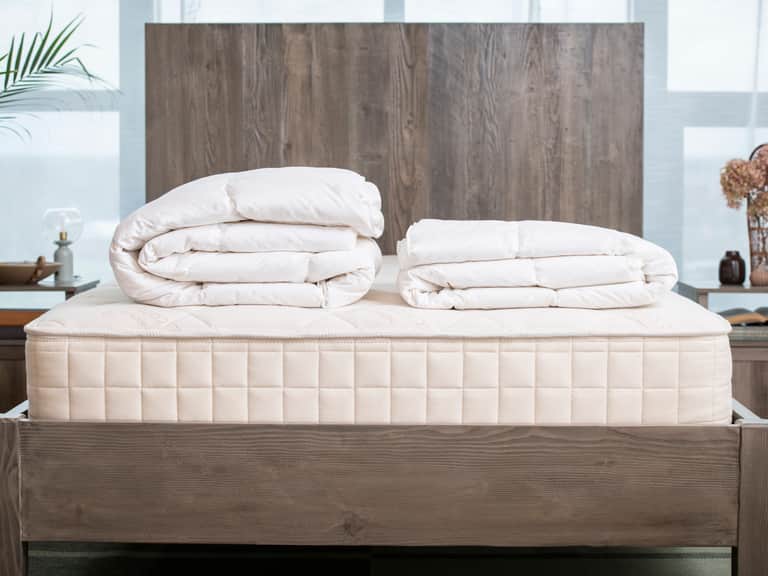
Product image: Naturepedic Down Duvet Insert
Naturepedic Organic Down Duvet Insert
Experience cloud-like comfort with a duvet insert that blends luxury with ethical sourcing. The insert is filled with ethically sourced, 750-fill-power USA duck down and encased in certified organic cotton. Its stitch-through box pattern ensures even distribution of down, minimizing cold spots and clumping.
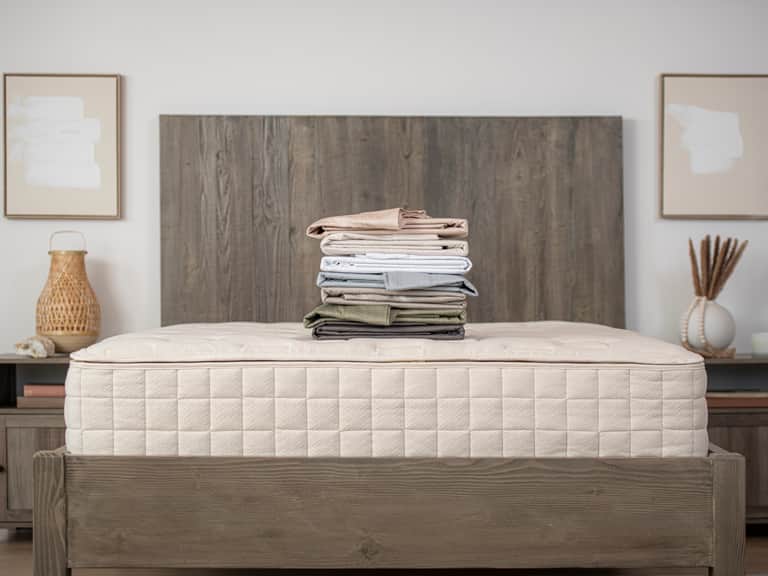
Available in lightweight and all-season options to suit varying climates and personal warmth preferences. It pairs beautifully with duvet covers in Naturepedic’s organic cotton family, creating a complete, non-toxic sleep environment.
Price: $399.00 (MSRP)
A Note on the Community: Wool Crafting as a Shared Practice
The Wool Crafting community thrives on collaboration, critique, and shared joy. Tutorials, patterns, and discussions propel curiosity forward and offer a safety net for beginners navigating new stitches and techniques. As you embark, you’ll find that the most meaningful learning often happens through shared mistakes and patient mentors, whether in online forums or in local knitting circles.
Ethics, Sustainability, and Craft Philosophy
A sustainable approach to wool is as much about ethics as it is about fiber quality. It begins with informed decisions about where and how wool is produced, continues through mindful crafting practices, and culminates in a finished piece that lasts. The conversation around wool is a conversation about our relationships—with animals, with the earth, and with the time we invest to create something that endures.
Closing Thoughts: The First Weft of Your Wool Journey
The beginner’s path in wool crafting is a trust-building exercise—for your hands, your eye, and your choices. When you cast on your first project, you cast on a habit: a habit of slow, attentive making that respects origin and process. With each stitch, you practice a form of literacy—reading texture, tension, and temperament in the wool. And with every finished piece, you witness the quiet, stubborn truth of sustainable craft: warmth born from care, made to last, and shared with others who appreciate the quiet luxury of a hand-made, ethically sourced wool object.
For further inspiration, you can explore a wider ecosystem of sustainable textiles and bedding that echo the same values that nourish wool craft. A notable example is the Naturepedic Down Duvet Insert from a partner catalog, which embodies a commitment to eco-conscious design and superior comfort. Its premium down and organic cotton cover demonstrate how luxury and ethics can coexist in one comforting product.