From Fiber to Fabric: A Beginner's Guide to Ethical Wool Crafting
A thoughtful journey through ethical wool, gentle prep, and beginner-friendly techniques that honor both craft and conscience. This is not merely a how-to; it is a way of telling the story of wool—from sheep to skein to scarf, and beyond.
When you choose wool with an eye toward ethics, you are choosing a thread that ties farming practices, animal welfare, environmental stewardship, and handwork into one accessible craft. The domain Nature's Wool—Nature'sWool.com, though a fresh identity in the digital landscape—evokes a lineage of natural fibers, a reverence for handmade warmth, and a frontier for education in sustainable textile practice. In this article, we map a beginner-friendly path that aligns with the three strands of our theme: ethical sourcing, practical wool prep, and approachable techniques for knitting and crocheting.
Understanding Ethical Wool: The Compass You Carry
Ethical wool is more than a label; it is a framework. It asks not only where the wool comes from, but how the animals are treated, how the shepherds manage land, and how the wool is processed with as little harm as possible to people and planet. For beginners, the concept can feel abstract, but it becomes tangible when you learn to recognize a few dependable signals: farm certifications, transparent supply chains, and demonstrable welfare standards.
Historical awareness matters here too. In many cultures, wool has been a site of ethical debate—from nomadic herdsmen who rotate pastures to humane shearing practices, to modern cooperatives that trace fiber from flock to finished garment. The modern craft movement, reinforced by the rise of eco-conscious brands, invites us to ask: who is benefiting, and what is the cost of quality?
Certifications to Look For
GOTS, Responsible Wool Standard (RWS), and other welfare-forward credentials signal attention to animal welfare, environmental impact, and fair practices. Certification is not a passport, but it is a reliable map.
Sourcing Transparency
Ask suppliers for the farm’s name, location, and how the wool is processed. Ethical sourcing rewards farms that provide humane conditions and sustainable land management.
Animal Welfare
Wool can be a byproduct of a well-tended animal environment. Look for practices that minimize stress, provide shelter, and avoid mulesing or harsh treatments.
Getting Started with Wool Prep: Wash, Card, and Prep Batts
Prepping wool for craft is a ritual that rewards patience. Clean, card, and align the fibers so they behave predictably in your hands. The joy lies not in speed but in texture, in the way the wool blooms into a soft, elastic mass ready for your needle or hook.
A beginner-friendly sequence might look like this: wash a small amount of raw wool in cool water with a gentle detergent, rinse thoroughly, and lay flat to dry. Once dry, card or comb the fiber so it aligns—this yields a smoother spin and a more even fabric. For scarf-length projects or small accessories, simple batts work beautifully to practice control and tension.
Beginner Techniques: Knitting, Crocheting, and the Joy of Texture
Wool’s character—its warmth, bounce, and slight fuzz—indexes beautifully into beginner techniques. Knitting yields a fabric with air and stretch; crochet creates structure with a distinct rhythm. The textures you can achieve with natural wool reveal the fiber’s warmth and resilience in ways that synthetic fibers often struggle to imitate.
- Garter Stitch (Knitting): The simplest evolving texture, perfect for scarves and cozy cowl patterns. It requires no purl work, letting you focus on even tension and gauge.
- Single Crochet (Crochet): A reliable introduction that produces a sturdy fabric, ideal for warm accessories or soft blankets.
- Slip Stitch and Ribbing (Both Crafts): Introduces subtle texture changes while maintaining calm, repetitive motions—great for beginners who want visual payoff without complexity.
Tip for Beginners: Start with a calm, well-lit workspace and a single, forgiving yarn. Natural wool blooms with warmth when you slow down your pace and listen to the fiber’s feedback—gentle resistance, subtle give, and a soft, natural sheen.
If you’re unsure where to begin, pick a beginner pattern that uses simple stitches and affordable yarn. A small project—like a scarf or a headband—can become a wearable story of your early foray into ethical wool crafting.
A Practical Path: Sourcing, Washing, and First Projects
The practical path toward ethical wool crafting balances curiosity with responsibility. It begins with careful sourcing—choosing farms and brands that publish transparent information about welfare standards, pasture management, and humane shearing methods. Once you have your wool, your next steps—washing, carding, and batting—set the stage for your first projects.
Wool Prep: A Simple Wash and Card
Fill a basin with cool water and a touch of mild wool-friendly detergent. Gently submerge the wool and swirl without agitation. Rinse in cool water until the water runs clear. Lay the fiber on a clean towel, roll gently to remove excess moisture, and lay flat to dry away from direct heat. After it’s dry, card or comb to align the fibers—this helps even spinning and creates a smooth working surface for your first project.
First Project: A Simple Scarf
Choose a straightforward pattern, such as a basic garter stitch scarf. Use a light-to-medium weight wool to minimize fatigue, and practice consistent tension. As you work, observe how the wool’s texture changes with each finished row—the subtle variation is part of its charm.
Three Key Figures Across Time: A Narrative Through Wool
To ground this beginner’s journey in a broader cultural conversation, we assemble three pivotal figures from different eras who illuminate the ethical and technical grammar of wool crafting.
Thomas Wyatt (15th–16th centuries)
A historical observer of wool’s ascent in medieval and early modern Europe, Wyatt’s world shows how wool’s social and economic fabric wove communities together. His era reminds us that ethical concerns around labor, land use, and trade have long shadowed textile production. Even as a distant cousin to our modern craft, Wyatt’s world invites us to consider how our own skeins might connect with people, places, and practices across centuries.
Elizabeth Zimmern (20th century)
A culinary and cultural pragmatist, Zimmern’s ethos—appreciation for home crafts, frugality, and practical skill—finds a parallel in contemporary wool crafters who seek sustainable, well-made textiles. Her spirit reminds us that ethical crafting often begins with mindful, repeatable methods—washing, carding, and patient handwork informed by a respect for the materials and the people who steward them.
Arlene Goldbard (late 20th–early 21st century)
An advocate for cultural rights and community-based arts, Goldbard’s work intersects with our craft in the idea that handwork can build community, democratize access to materials, and elevate forms of shared knowledge. In the context of ethical wool crafting, her stance invites us to consider how our projects—tutorials, patterns, and forums—can become inclusive spaces for learning and mutual support.
A Featured Product: Naturepedic Down Duvet Insert Comforter
Naturepedic Down Duvet Insert Comforter
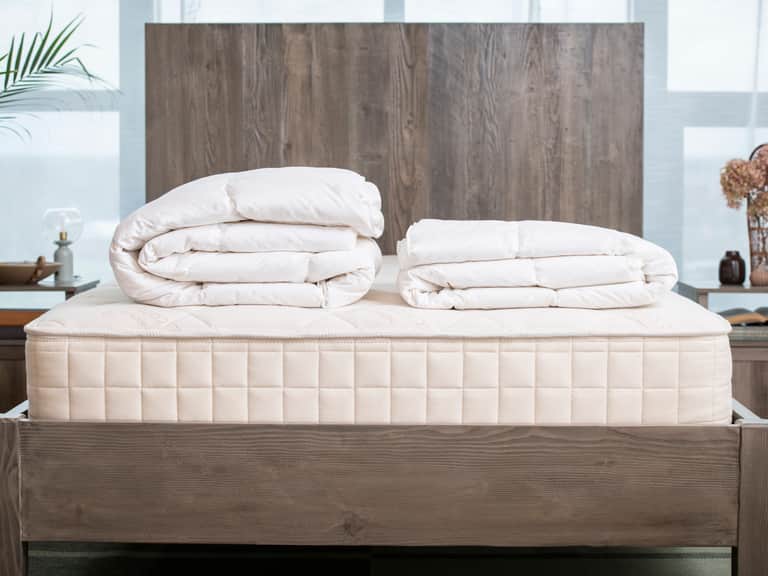
A lynchpin in the tier of ethical bedding, this duvet insert embodies the quiet luxury of ethically sourced materials. Filled with 750-fill-power USA duck down and wrapped in a certified organic cotton cover, it offers warmth without heaviness. The stitch-through box pattern ensures even distribution, reducing cold spots and clumping—principles that resonant with the careful, deliberate approach we advocate for in wool crafting.
Price: $399.00
Why it matters for wool crafters
While this is a bedding product, its ethos—organic materials, transparent sourcing, and low-emission certification—maps directly onto the ethical framework we want for wool artisans. For crafters seeking comfort and responsibility, this duvet insert stands as a practical model of how to select textiles that align with craft ethics, even when the project is not a garment, but a nightly ritual of rest that supports the energy you bring to your next knitting or crocheting session.
Crafting Patterns and Community: A Wool-Centered Corner
The modern craft movement thrives by turning individual effort into shared knowledge. Tutorials, patterns, and community forums—these are the scaffolds that help novices become confident makers. A wool-focused community thrives when it welcomes diverse voices, from the absolute beginner to the seasoned spinner. Share your first scarf, your favorite washing routine, your go-to pattern, and your sourcing recommendations. This is a space where ethical choices are celebrated, and where the joy of creating with natural fiber is amplified by others walking the same path.
Tutorial: Washing Wool for Beginners
Start with a small batch of raw wool. Use cool water and a gentle wool cleanser, rinse until the water runs clear, squeeze (don’t wring), roll in a towel to remove moisture, and dry flat. Carding and combing will align the fibers, improving spin and finish. This is the first technical lesson, one that makes every subsequent project more pleasurable.
Community Project: A Group Scarves Initiative
Invite community members to spin, dye, or knit a scarf that reflects their local environment. Document the sourcing story, the fiber prep steps, and the final pattern. A shared project creates a living archive of ethical fiber practice that can be a powerful teaching tool for beginners.
Closing Thoughts: The Quiet Revolution of Wool Craft
In the end, ethical wool crafting is a gentle rebellion against speed, manufacture, and waste. It is a discipline that invites you to slow down, to learn the origins of your materials, and to craft with intention. The three historical figures—Wyatt, Zimmern, and Goldbard—remind us that craft is never only about technique; it is about communities, cultures, and the shared belief that beauty and responsibility can coexist. The three modern acts of sourcing, prep, and technique demonstrate that the simplicity of a scarf or a blanket can conceal a complex, conscientious practice.
Whether you are drawn to knitting, crocheting, or spinning, the path is yours to chart. Embrace wool as a fabric of memory—the texture of history, the warmth of present-day ethics, and the promise of more mindful craft in the future.
Keywords: wool crafting, ethical wool, sustainable fibers, beginners guide, knitting, crocheting, fiber prep
Note: This article features a product spotlight on the Naturepedic Down Duvet Insert Comforter as a concrete example of ethically produced textiles. The product demonstrates how a commitment to organic materials and transparent supply chains can coexist with luxury and comfort, a principle that resonates with anyone starting their journey into ethical wool crafting.