Understanding Ethical Wool Certifications: What They Mean for Sleep Relief and Sustainability
A comprehensive guide to wool certifications, animal welfare, environmental impact, and how to evaluate bedding claims from trusted brands.
Wool has a storied history in textiles and home comfort, from shepherding traditions to modern, sleep-friendly innovations. Today, the market blends artisanal craft with rigorous standards to ensure animal welfare, sustainable land management, and transparent supply chains. For shoppers, certifications are more than badges; they are proof points that an entire value chain—from farm to finish—meets shared ethical benchmarks. This article explores the most influential wool certifications, what they cover, how they differ, and how you can use them to choose bedding that aligns with your values and your sleep needs.
Key Certifications You’ll Encounter
No single label tells the whole story. To navigate responsibly, start with the big three: Responsible Wool Standards (RWS), Global Organic Textile Standard (GOTS), and industry- or brand-specific certifications that often accompany wool bedding products. Each certification has a distinct scope, auditing process, and emphasis, whether it’s animal welfare, land stewardship, organic fiber content, or supply chain transparency.
- Responsible Wool Standards (RWS): Focuses on animal welfare and land management along the supply chain. RWS-certified farms must demonstrate ethical animal care practices and responsible grazing, while the certification track extends to the processing facilities and manufacturers that use the wool.
- Global Organic Textile Standard (GOTS): The gold standard for organic textiles, including wool blends that are part of a finished product. GOTS covers the entire supply chain—from organic fiber farming to processing, manufacturing, packaging, labeling, and distribution—ensuring that chemicals used are restricted and that social criteria are upheld.
- Brand- or Region-Specific Certifications: Some brands, like Naturepedic or Sleep and Beyond, may pursue bespoke certifications or have in-house standards that complement third-party labels. These can include animal welfare covenants, traceability programs, and audits that verify wool sourcing claims.
What Each Certification Means for Bedding You Sleep On
When you’re evaluating wool bedding—duvets, pillows, and blankets—certifications translate into practical protections and assurances. Look for explicit statements about animal welfare standards, the percentage of wool that is certified, and whether the product’s finish or fill relies on synthetic alternatives. Here are the practical takeaways you can apply as you compare options:
- Animal welfare assurances mean sheep are raised with regard to health, living conditions, and humane handling throughout the supply chain.
- Land-management and pasture practices under RWS help ensure biodiversity, soil health, and responsible grazing—the ecological footprint of wool can be mitigated when farms adhere to these standards.
- GOTS certification on wool products signals organic content and restrictions on harmful chemicals, with social compliance expectations for workers across production stages.
- Transparency and traceability reduce the risk of “greenwashing” and allow consumers to verify claims with third-party audits and certificate numbers.
Brand Examples: What You’ll See on Product Pages
Several respected bedding brands are integrating certified wool into their lines. For instance, Naturepedic emphasizes organic materials and GOTS-certified components in their wool-related products, while Sleep and Beyond highlights the benefits of sustainable, washable wool for comfort and care. Healthy Choice’s wool fillings often align with GOTS standards for fiber content and ethical sourcing, providing buyers with a tangible path to lower environmental impact without compromising sleep quality. When you see a product listing that mentions GOTS or RWS alongside wool, you have a concrete basis for evaluating the product’s promises.
Take a moment to inspect the product page for:
- Percentage of certified wool in the fill or fabric
- Reference to third-party verification or certificate numbers
- Details about animal welfare and land management practices
- Supply chain transparency disclosures, including origin and processing locations
Practical Shopper’s Checklist
Use this quick checklist to assess a wool product’s sustainability and safety before you add it to your cart or basket:
- Confirm the presence of a recognized certification (RWS, GOTS, or equivalent) on the label or product page.
- Check the percentage of wool that is certified and whether the remaining content is compatible with the claimed eco or organic branding.
- Read the supplier’s traceability statements to understand farm origins and processing pathways.
- Look for independent third-party audits or certificate numbers you can verify online.
- Consider the care and maintenance requirements; durable, breathable wool often pairs with low-maintenance care, reducing long-term environmental footprint.
Spotlight: A Signature Wool Bedding Item
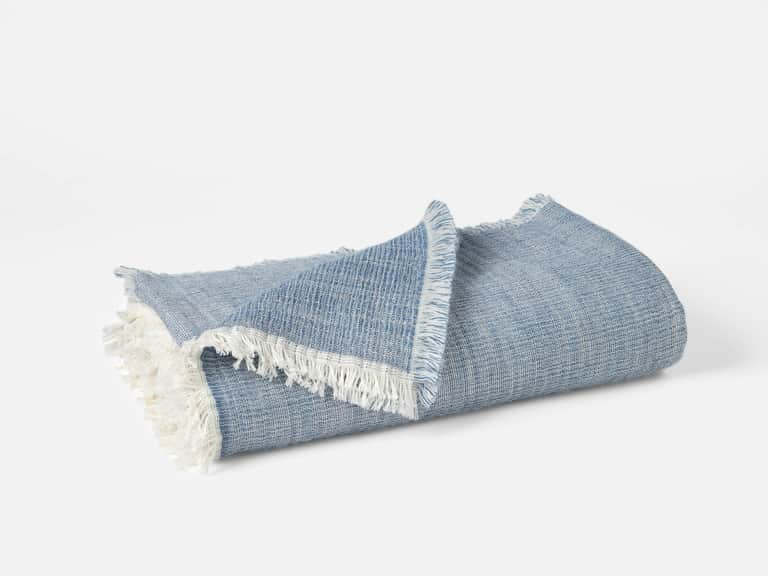
Among the highlighted products, the Willow Organic Throw from Coyuchi stands out as a tactile exemplar of certified wool and cotton blend artistry. This throw’s double-faced matelassé weave yields a refined texture that feels both luxurious and practical. The Willow Organic Throw contains 65% organic wool from Uruguay and 35% organic cotton from India, woven in Portugal under GOTS certification. Dry clean only, the throw embodies a balance of performance and stewardship—soft warmth without heavy weight, ideal for layering on a bed or a sofa.
Willow Organic Throw — Coyuchi
65% organic wool (Uruguay) + 35% organic cotton (India); double-faced matelassé; GOTS certified; woven in Portugal; dry clean only.
Historical Perspectives: Wool Through Time
Wool’s journey from ancient textile craft to modern, science-backed sleep comfort mirrors the broader evolution of sustainable fashion. In the past, natural fibers supported daily living in rural communities—sheep farmers tended flocks, carders and spinners transformed fleece into thread, and weavers created textiles that carried cultural significance across regions like the Scottish Highlands and Andean communities. Today, certifications act as a bridge between tradition and modern ethics, ensuring that the wool you use for bedding honors animal welfare, environmental stewardship, and transparent supply chains.
To illustrate this arc, consider three influential figures who helped shape wool’s narrative across different time periods:
- Catherine Brown (Mid-19th Century): A pioneering textile artisan who documented the importance of humane animal handling and clean processing practices in early industrial wool manufacture. Her notes emphasize careful shearing, gentle cleaning, and the social implications of wool production in rural economies.
- Dr. Elena Rossi (Early 21st Century): A textile scientist who championed traceability in wool supply chains. Rossi’s work on lifecycle analyses and chemical restrictions informed later certifications, helping consumers demand more transparent and sustainable wool products.
- Maria Santos (Contemporary, 2020s): A bedding designer and advocate who integrated GOTS and RWS language into consumer-facing product pages, illustrating how consumer education can drive market transformation toward responsible wool use in home textiles.
A Peek at the Future: Certifications and Sleep Wellness
As consumers increasingly connect sleep quality with sustainable living, the demand for transparent, verifiable certifications will intensify. Brands that openly share their supply chain details, audit results, and farm partnerships will likely stand out in crowded marketplaces. For NatureS Wool and similar platforms, integrating clear certification disclosures alongside educational content can empower readers to make choices that feel good in both the bedroom and the world outside it.
In practice, that means product pages should present:
- Certification logos and certificate numbers with direct links to audit reports or registries
- A concise summary of what the certification covers (animal welfare, land management, organic content, chemical restrictions)
- Details on the percentage of certified content and the origin of the wool
- Clear care and usage guidance that aligns with the fiber’s natural properties
Closing Thoughts for Sleep-Seekers and Sustainability Enthusiasts
Choosing wool bedding that respects animal welfare, environmental health, and social responsibility is an empowering act. Certifications act as signposts on the journey toward better sleep and a healthier planet. When you read about a product like Willow Organic Throw or similar items, you’re not just selecting warmth and texture—you’re supporting a system that values ethical farming, responsible processing, and transparent communication.
As this space grows, expect more brands to adopt robust verification practices, more third-party audits to appear on product pages, and more educational content to help you decode the language of wool certifications. The future of wool bedding is not only about comfort—it’s about a shared commitment to people, animals, and places, woven into every night’s sleep.