Wool Care Guide
How to Care for a Naturepedic Organic Wool Pillow Without Washing the Fill
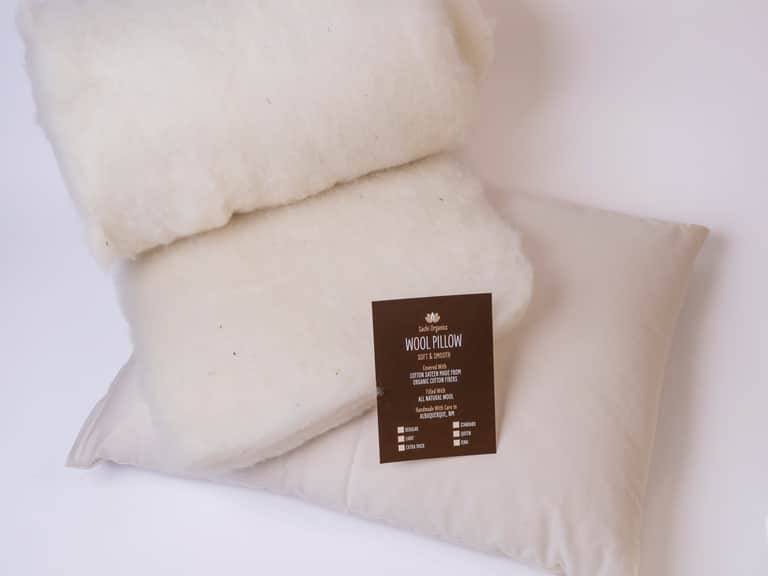
A Naturepedic Organic Wool Pillow is designed with a washable outer casing and a wool insert that should be spot-cleaned only. Keeping those two parts separate during care helps protect the filling’s loft and shape—and makes everyday freshness easier to maintain.
Published November 4, 2026
A pillow can feel like one simple object until it needs cleaning. With a wool-filled design, though, the cover and insert have different care needs. The cotton casing can be washed according to the product’s instructions; the wool insert should not be put through a regular wash. That distinction is the heart of caring for a Naturepedic Organic Wool Pillow.
Wool is springy, breathable, and naturally textured. Those qualities help make it a comfortable pillow filling, but they also mean that soaking, agitation, or incomplete drying can affect the fill. A careful routine—using a pillow protector, treating small marks gently, and allowing every washable component to dry completely—can help keep the pillow comfortable without subjecting the wool to unnecessary washing.
This guide explains how to care for the casing and wool insert separately, how to handle a spot, and what to do between cleanings. Always use the care label and the current manufacturer instructions for your specific pillow as the final authority, particularly if they differ from general guidance.
Know which part can be washed
The first step in wool pillow care is identifying the pillow’s components. The Naturepedic pillow described in its care instructions has an outer casing that can be removed and washed, while the wool insert is spot-clean only. The washable exterior acts as a practical barrier between the filling and daily contact with skin, hair, and bedding.
Before cleaning, check how the pillow opens and remove the wool insert carefully. Keep the insert away from the washing machine, sink, and any cleaning solution intended for the casing. If the casing has a quilted layer, treat it as a separate washable component and make sure it is completely dry before putting the pillow back together.
- Outer casing: Remove the wool insert, then machine wash the casing in cold water as directed.
- Wool insert: Spot-clean only; do not immerse or routinely launder.
- Reassembly: Wait until the casing is thoroughly dry before returning the insert.
It can be tempting to wash a whole pillow in one go, especially when the cover looks sturdy. Resist that shortcut unless the manufacturer’s instructions specifically permit it. A washable casing does not mean the wool filling is washable, and the two parts should not be treated as interchangeable.
Make a pillow protector part of the routine
A pillow protector is one of the simplest ways to reduce how often the pillow itself needs attention. It provides an extra removable layer beneath the pillowcase, helping shield the outer casing from everyday perspiration, skin oils, dust, and accidental spills. It is not a substitute for cleaning when needed, but it can make routine upkeep more manageable.
Choose a protector that fits securely without pulling the pillow out of shape or placing excessive pressure on its loft. Follow the protector’s own laundering directions, and wash it when appropriate for your household’s bedding routine. A clean pillowcase over a clean protector helps keep the pillow casing fresher between washes.
When changing bedding, take a moment to check the pillow for dampness, odor, or visible marks. Catching a small issue early can make it possible to address it with a limited spot treatment rather than exposing a larger area—or the wool insert—to moisture.
How to wash the removable casing
When the outer casing needs laundering, remove the wool insert first. Wash the casing in cold water, following the product’s instructions and the care label. A gentle approach is a sensible choice for maintaining fabric and quilting, but the manufacturer’s directions should determine the actual cycle and detergent to use.
- Unzip or open the pillow as instructed, and remove the wool insert without pulling or stretching the casing.
- Set the wool insert aside in a clean, dry place where it will not be splashed or exposed to detergent.
- Wash the casing in cold water, using the care instructions for the pillow.
- After washing, check the casing for damp areas, especially around seams and any quilted sections.
- Dry the casing completely according to its instructions before reassembling the pillow.
Do not assume that a casing is dry just because its surface feels dry. Seams and thicker quilted areas can retain moisture after the fabric around them feels ready. If you are uncertain, allow more drying time and check again before inserting the wool. Reassembling a pillow while the casing is damp can trap moisture against the filling and compromise freshness.
Keep the casing’s care separate from the care of the wool. Do not put the wool insert in the machine with it, even if the wash cycle is cold or delicate. Water temperature alone does not make full immersion appropriate for wool filling.
Spot-cleaning the wool insert carefully
For a small mark on the wool insert, focus on the affected area rather than wetting the entire fill. Begin by checking the manufacturer’s instructions. If spot cleaning is appropriate, use a clean cloth and a small amount of water, applying moisture sparingly. Avoid soaking, scrubbing hard, or twisting the wool; rough handling and excess water can disturb the filling and make drying difficult.
Blot gently rather than rubbing. Work from the outer edge of a mark toward its center when possible, using a clean part of the cloth as needed. Do not add a cleaner unless the product instructions support its use. Strong detergents, bleach, fabric softeners, and unverified stain treatments may not be suitable for wool or for the pillow’s materials.
If the spot does not lift with a minimal treatment, stop rather than escalating to a deep soak. Persistent or substantial soiling may call for advice from the manufacturer or a qualified textile-care professional. For a heavily affected insert, the safest next step is to ask for product-specific guidance instead of improvising with a washing machine or household stain remover.
- Use only enough moisture to address the small area.
- Blot; do not scrub, wring, or compress the insert aggressively.
- Keep cleaning liquid away from the rest of the wool wherever practical.
- Allow the treated area to dry fully before returning the pillow to use.
Drying is part of cleaning
Thorough drying is essential whenever the casing has been washed or the wool insert has been spot-treated. Moisture left in a pillow can lead to a stale smell and may affect the fibers. Give each component enough time and airflow to dry fully; rushing the process can undermine even a careful cleaning routine.
Dry the casing according to its care label, checking inside seams and quilted areas before reassembly. For the wool insert, follow the manufacturer’s directions after spot cleaning and keep it in a well-ventilated, dry place while it dries. Avoid applying direct high heat or placing the wool near a strong heat source unless the care instructions explicitly allow it.
Before rebuilding the pillow, check both components by touch and by smell. The casing should feel dry throughout, not cool or damp in thick areas, and the treated wool should not feel moist. If either part needs more time, wait. A fully dry pillow is worth a little patience.
Refresh the pillow between washes
Most routine care does not require washing. Airing the pillow periodically can help it feel fresher without wetting the wool. Remove the pillowcase and protector, then place the pillow in a clean, dry, well-ventilated area for a while. Keep it away from damp conditions, smoke, cooking odors, and other sources of strong smells.
Regularly fluffing the pillow gently can also help restore its shape after use. Handle it evenly rather than folding it sharply or pounding it hard. Wool has natural resilience, but repeated forceful compression is unnecessary. If the pillow seems less lofty, give it time to rest and recover before deciding that it needs more intensive care.
Freshness is also supported by simple bedding habits: use a pillowcase, keep a protector in place, change bedding regularly, and avoid eating or applying oily products directly over the pillow. These habits limit the amount of soil that reaches the casing and help reduce the need to clean the insert.
Common wool pillow cleaning mistakes to avoid
Because many household textiles can be machine washed, it is easy to assume a wool pillow can be handled the same way. The most common mistakes come from treating the pillow as a single washable object rather than a washable cover surrounding a spot-clean-only insert.
- Washing the complete pillow: The wool insert has different instructions from the casing and should not be put through a normal laundry cycle.
- Soaking the wool: Excess water can be difficult to remove and may make it harder to preserve the fill’s loft and condition.
- Using aggressive friction: Hard scrubbing, wringing, and twisting can stress the fibers and disturb the fill.
- Reassembling too soon: Even slightly damp fabric can trap moisture against the wool. Let every component dry completely.
- Using a stain product without checking: A treatment suitable for one fabric may not be suitable for wool or the pillow casing.
- Ignoring product-specific directions: Care details differ among pillows, so do not transfer instructions from another wool product.
A simple maintenance schedule
There is no need to wash the wool insert on a fixed calendar. Instead, use the pillow’s condition and the manufacturer’s instructions to guide care. A practical routine can be simple and light-touch:
- With each bedding change: Check the pillowcase, protector, and casing for marks or dampness.
- Periodically: Air the pillow in a clean, dry, ventilated space and fluff it gently.
- When the casing needs it: Remove the insert and launder the casing as directed.
- For a small mark on the wool: Spot-clean only as instructed and allow the area to dry fully.
- Before storage or reuse: Confirm that all components are clean and completely dry.
These steps are meant to support—not replace—the product’s care label. If your pillow has been exposed to a major spill or a substance that may require special treatment, contact the manufacturer for advice before attempting a more intensive cleaning method.
Frequently asked questions
Can I put a Naturepedic Organic Wool Pillow in the washing machine?
Do not wash the entire pillow as one piece. The outer casing can be removed and washed according to its instructions, but the wool insert is spot-clean only. Remove the insert before laundering the casing.
Can I wash the wool insert on a delicate cycle?
A delicate cycle is still a wash cycle. The care guidance for this pillow calls for spot-cleaning the insert, not machine washing it. Avoid immersing the wool unless the manufacturer changes or clarifies the instructions for your specific pillow.
How do I clean a small stain on the wool?
Follow the manufacturer’s directions and use minimal moisture on the affected area. Blot gently rather than scrubbing, and let the spot dry fully before using the pillow again. If the mark is large or persistent, seek product-specific advice.
How often should I wash the casing?
There is no single schedule that fits every household. Use a pillowcase and protector, then wash the casing when it needs cleaning and according to its care instructions. Routine airing can help refresh the pillow between washes.
What if the pillow smells musty after cleaning?
Check that the casing and any spot-treated wool are completely dry. If an odor remains, do not mask it with fragrance or put the pillow back into regular use while damp. Contact the manufacturer for guidance, especially if the smell persists after thorough drying.
A gentler approach that protects the fill
The key to organic wool pillow care is not a complicated cleaning ritual. It is knowing which component can be washed and resisting the urge to over-clean the wool. Use a protector, keep the removable casing clean, address isolated marks with a cautious spot treatment, and allow every part to dry completely before reassembly.
With that careful routine, the pillow’s wool insert can stay away from unnecessary soaking and rough handling, while the washable casing takes on the regular cleaning work. When in doubt, the product’s care instructions—and guidance from the manufacturer—are the best place to turn.